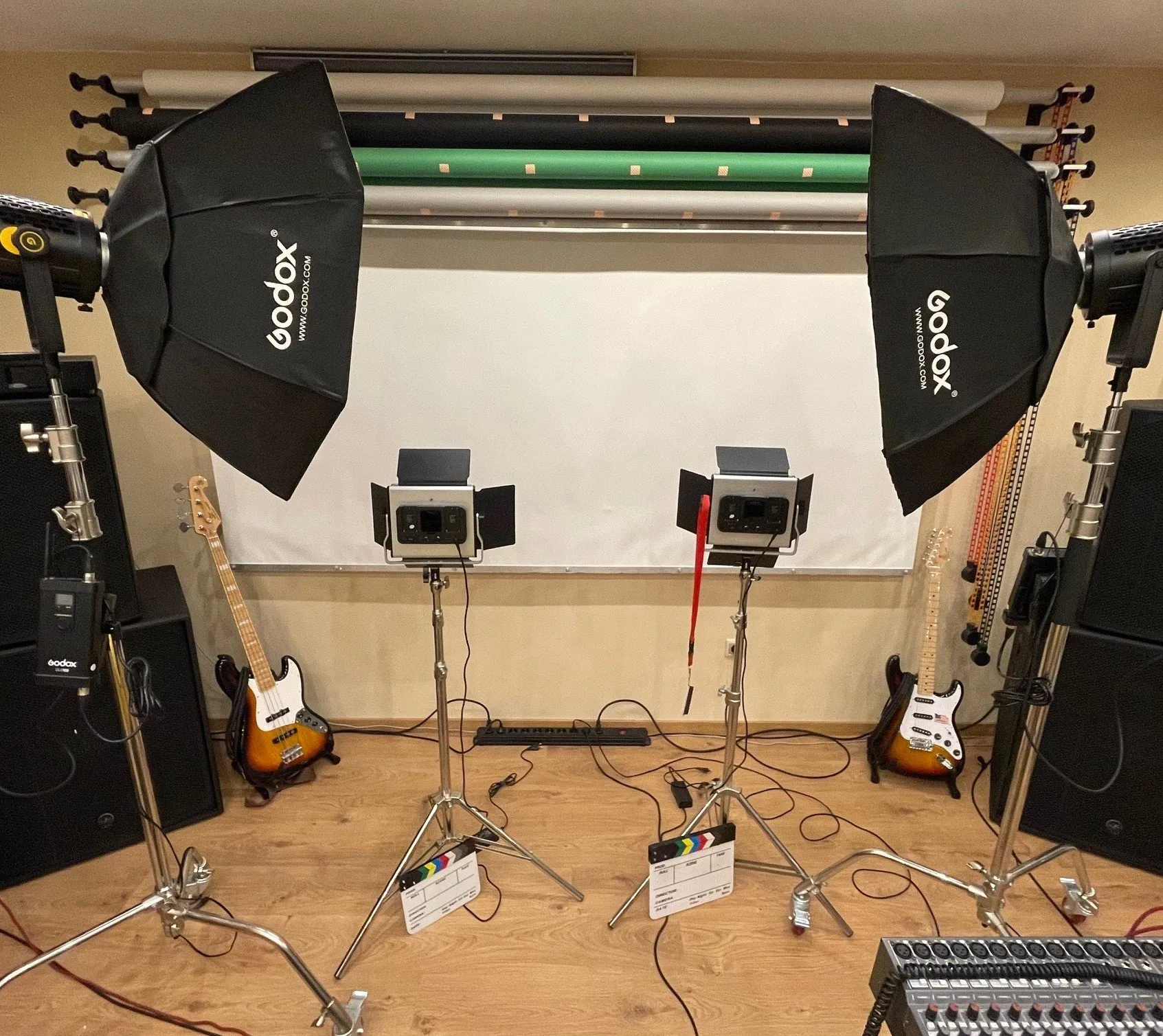
In this blog post, I share my journey from working as a wedding steadicam operator to building YouTube recording studios at home and in the Microsoft Budapest office during the onset of COVID. I offer insights from my early filmmaking days, navigating professional equipment, to refining a minimalist setup for online events and presentations during the pandemic. I also explore the challenges of mastering public speaking and whiteboarding techniques for effective content creation. Moving forward, I’ll provide more details on my evolving video setup to help others streamline their own studios.
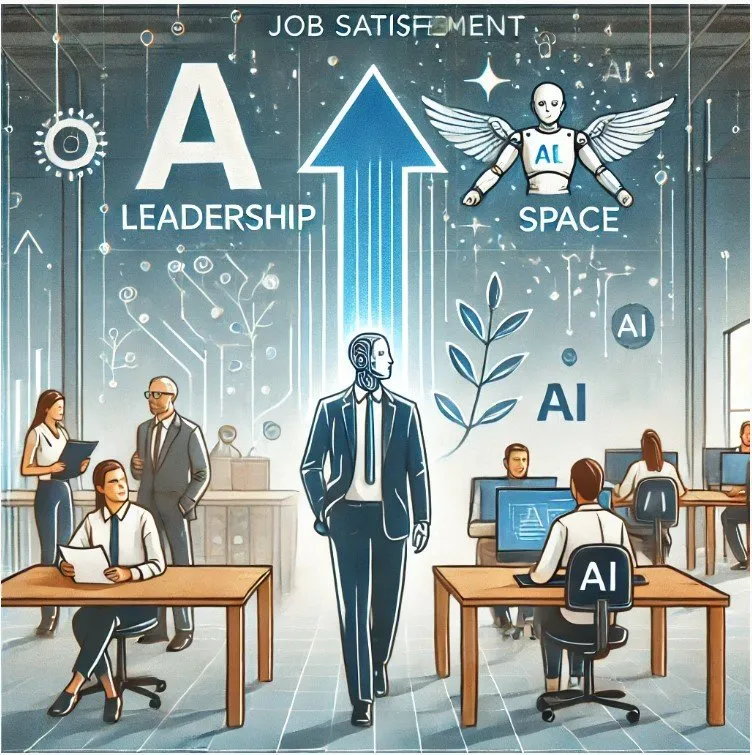
I often ask my peers, especially those from my generation, what makes them truly happy at work. What drives people to go beyond just fulfilling their duties? From my research and discussions, three key factors stand out: a growing market, a strong leader and team, and the "space" to operate freely. In today’s landscape, AI also plays a vital role in helping both junior and senior professionals excel. In this article, I’ll explore these factors and reflect on how they’ve shaped my own career, along with the impact of AI on the future of work.
Yesterday and today, I had the pleasure of attending the AI Summit in Budapest, thanks to Crayon Hungary and my colleague Szabolcs Baranyi. It was a fantastic use of time, filled with insightful presentations and great networking opportunities. In this article, I highlight my top presentations, explain why they stood out to me, and share the key takeaways that I will remember.
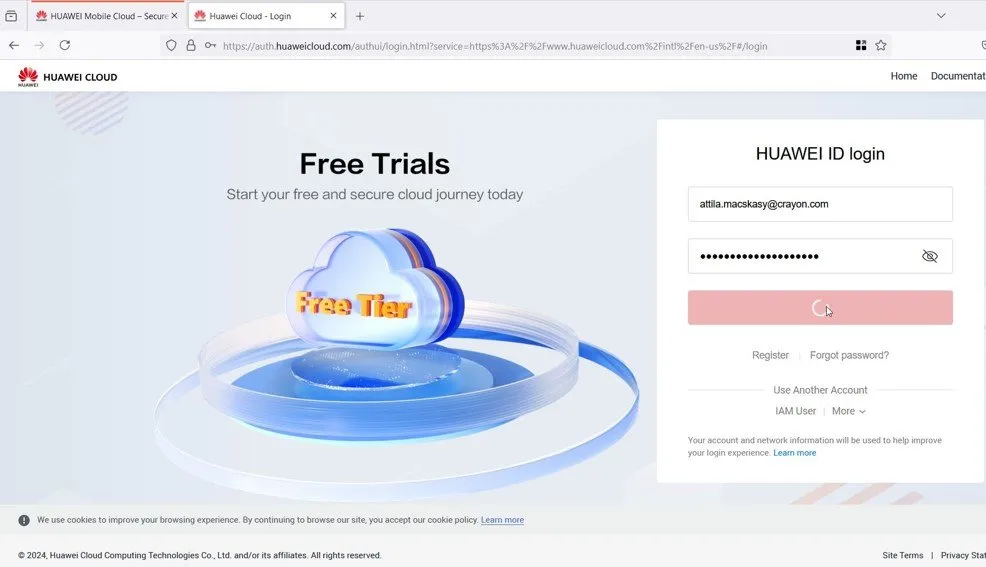
I’m eager to expand my multi-cloud expertise by exploring Huawei Cloud. A few years ago, I tested Alibaba Cloud but noticed their limited presence in my region. That’s not the case with Huawei, as they have established offices across several EU locations and are actively offering cloud services.
This article compares Azure Migrate and AWS Migration Evaluator, focusing on their assessment capabilities. By feeding identical on-premises workloads into both tools, I analyze the recommended cloud resources, instance types, and pricing to help you make informed cloud migration decisions.
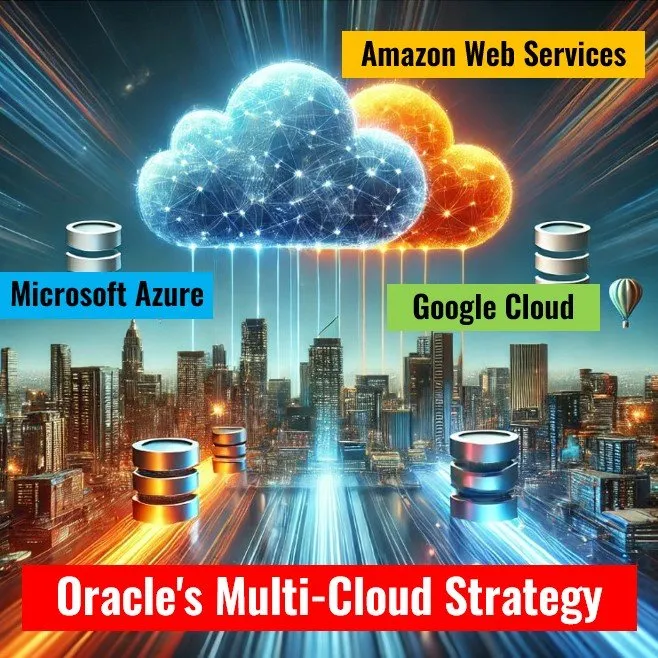
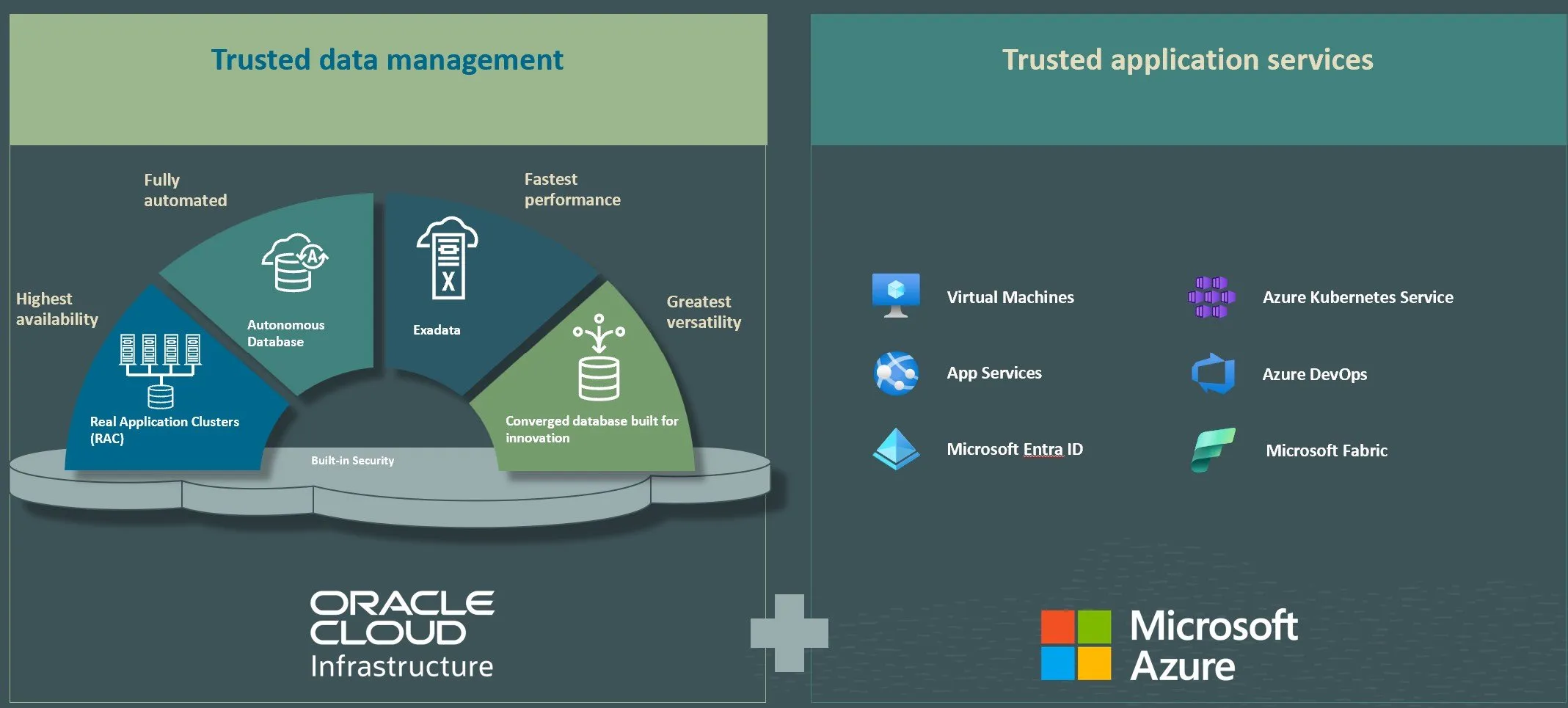
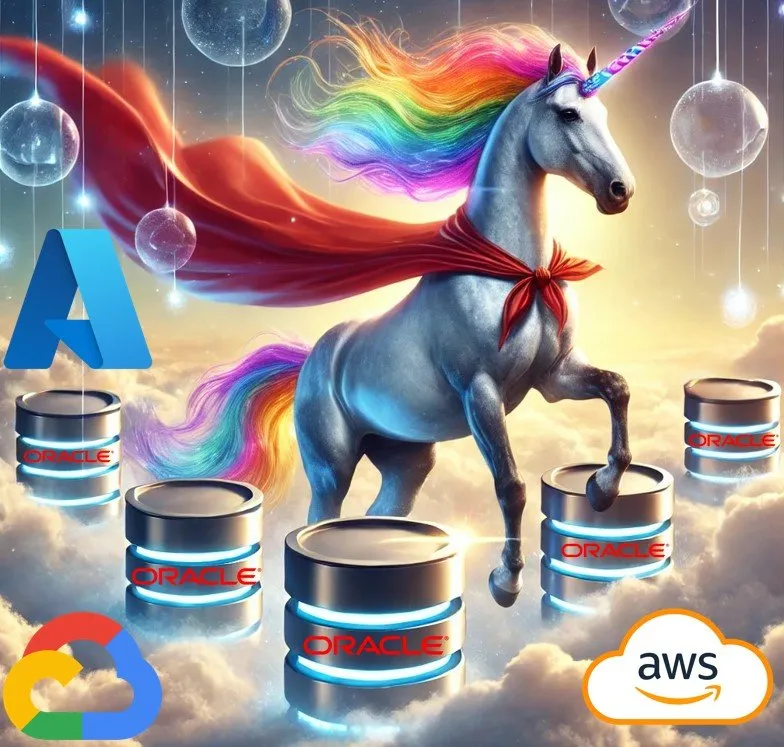
This topic is close to my heart because, as a former Oracle PL/SQL developer, I’ve often voiced concerns about replacing the Oracle database engine in the cloud with alternatives. I’m eager to see what’s changed since I tested this joint solution by Oracle and Microsoft 2 years ago.
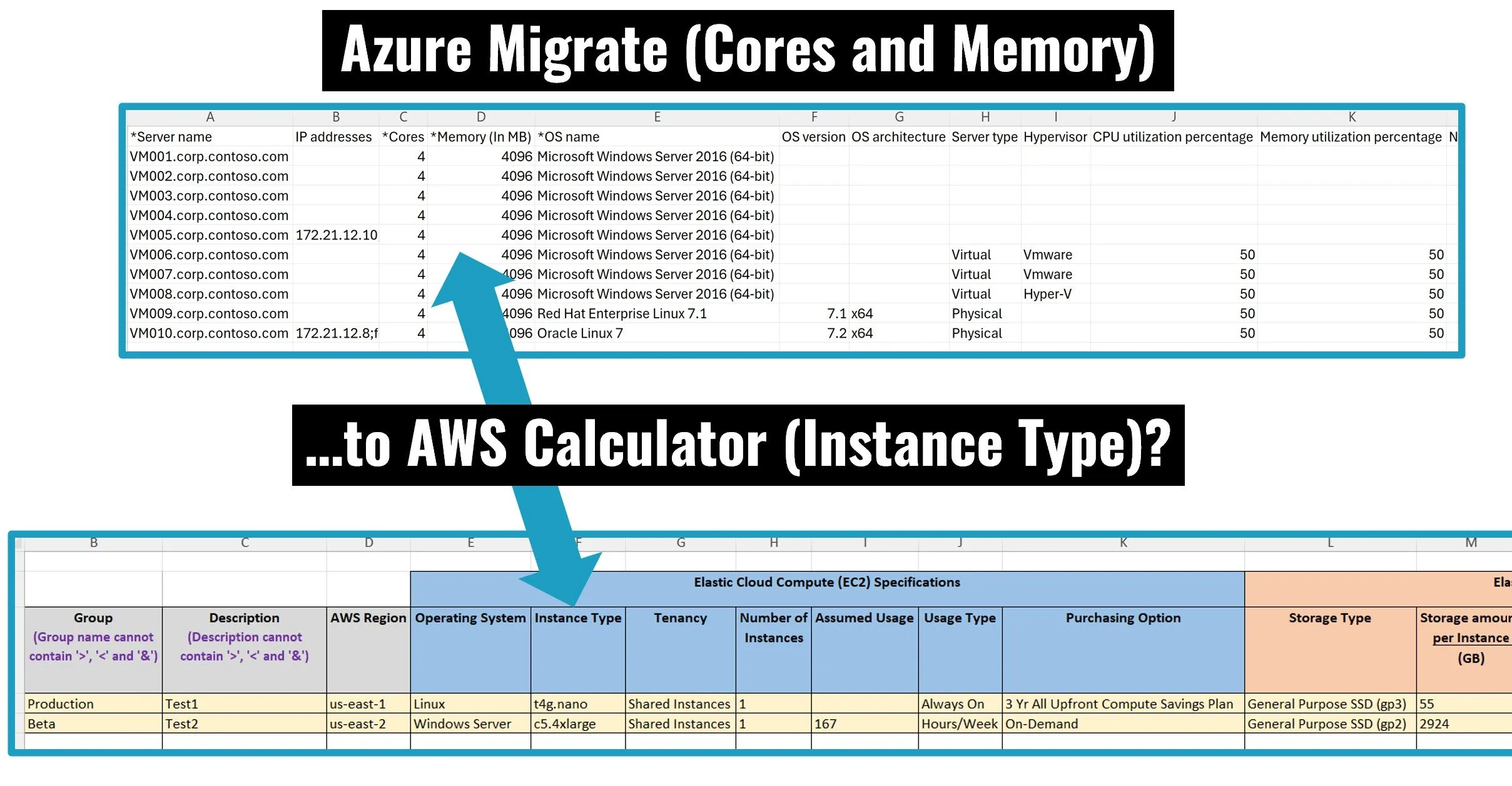
In recent months, I’ve worked with customers to quickly generate Azure and AWS pricing estimates, a critical step for securing vendor funding in lift-and-shift migration projects. However, moving assessment data between migration and pricing tools can be challenging.
In this article I am comparing the Database Migration Services offered by Azure, AWS, and GCP while focusing on popular database options like MySQL, PostgreSQL, MS SQL Server, and Oracle.
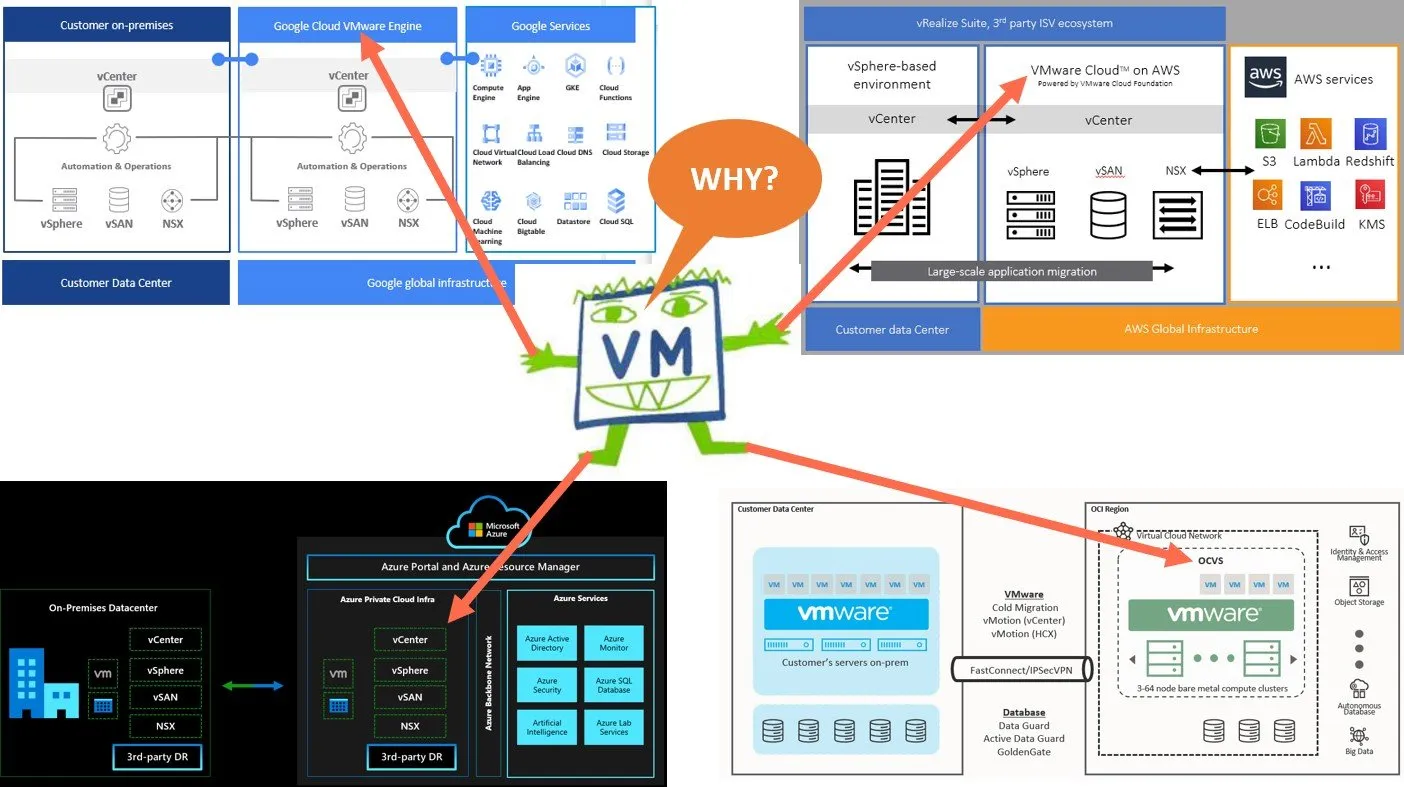
I keep researching this topic from several perspectives: regional availability, provided architecture, most popular use cases, VMware software versions, provided hardware configuration, and finally the price of a 3-node vSphere cluster in the Cloud.
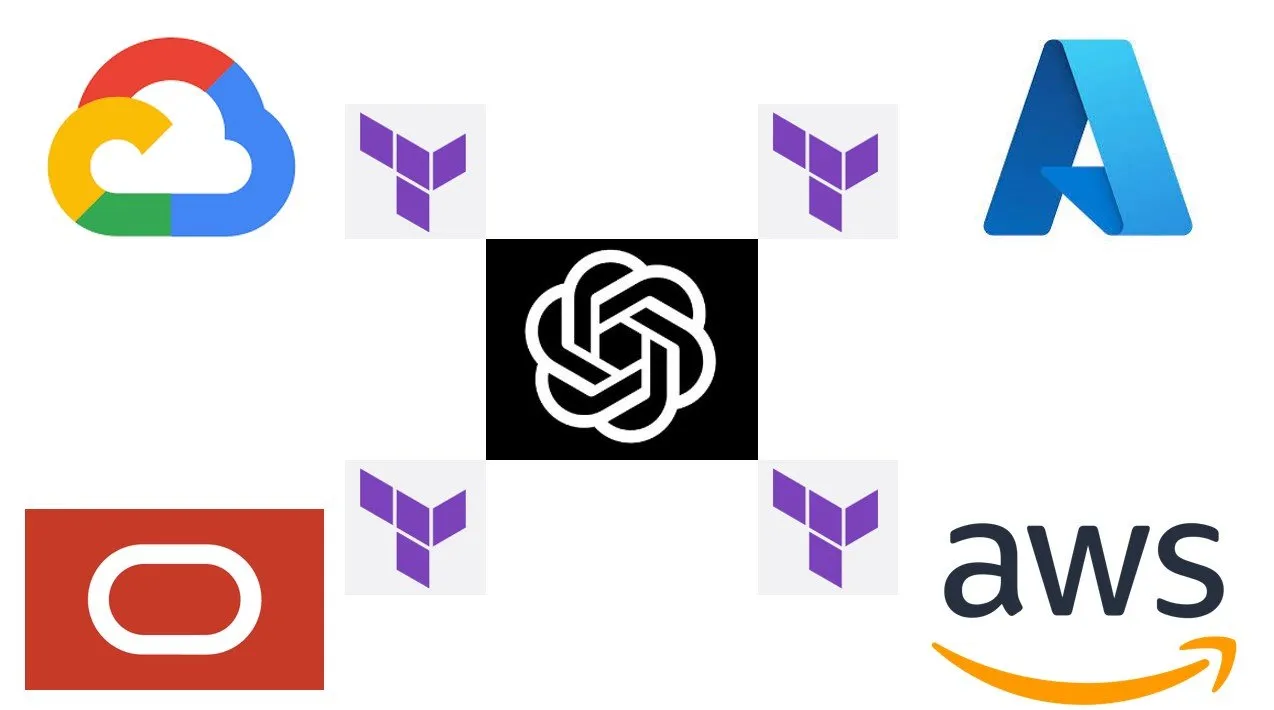
I have generated Terraform code for the same Ubuntu VM with OpenAI's Chat GPT-4 and compared the VM prices per region in a fancy table. HCL code results are quite accurate, however, I would not trust price comparison due to outdated information. You can get adjustable results in minutes saving lots of human research time.
It's been more than 5 years since I have been testing and comparing 1st party migration tools. I have seen these tools getting better over the years, with major improvements by acquisitions, end-of-life products, continuous changes, and improvements not just to the tools but the methodology around, well-architected, CAF, the concept of the landing zone, 5Rs became 7Rs. In this article, I am sharing my experiences with the most commonly used cloud migration tools.
I have connected a Database Admin Azure VM running Oracle's SQL Developer (Windows version) and a Microsoft Power Platform application displaying Oracle's HR demo schema (via on-premises data gateway on Azure VM connecting with Power Platform's Oracle Premium Connector) to the same Oracle Database hosted on OCI.