Your LAB performance: it’s mainly the storage
Storage is key, saying this as an ex-Virtana employee. If you want to build a fast and great lab, you need to understand your options in this area.
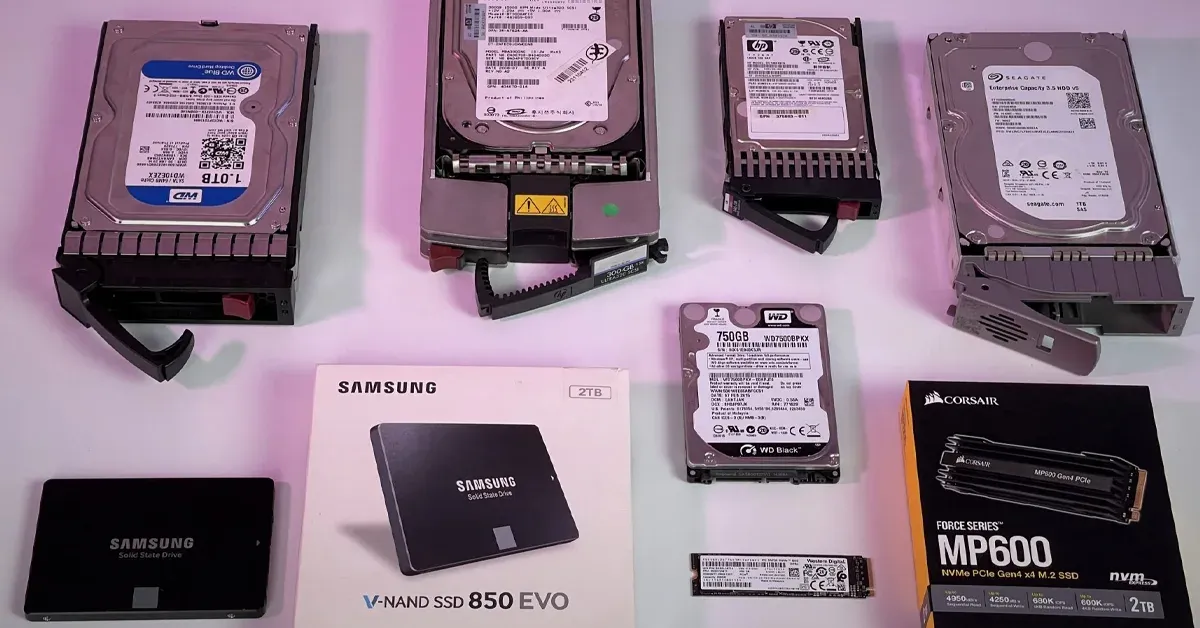
Storage is key, saying this as an ex-Virtana employee. If you want to build a fast and great lab, you need to understand your options in this area.
I am impressed. My PCIe NVMe Gen4 with Ryzen 3900XT in nested virtualization (Workstation 16 / vSphere 6.7) deploys Windows Server 2022 faster compared to ~10-year-old Nehalem generation physical servers (vSphere 6.7) with legacy FC SAN attached. This is a LAB test, it’s not about HA or reliability, it’s only about my time spent on learning new technology.
My ultimate goal is to build a cost-effective hands-on lab environment and test cloud migration tools. I am researching what would be the best possible source system – how to run vSphere 6.7 and 7.0 U3 (released recently) in a production-like environment.
I am also using this LAB to prepare for VCP 2021 DCV and NV exams. Stay with me, hopefully, at the end of the day, we build something useful together that saves time for everyone reading.
DDR3 vs. DDR4, I am not impressed, except for the price point. The more RAM you have the more VMs will fit. Cores, yes, probably 12 core Nehalem is legacy today. The more cores, the more VMs.
If my Ryzen 3900XT (12 core @ 3.8 GHz) based nested virtualized lab works nicely, my next investment is AMD Ryzen Threadripper 3990X (64 core @ 2.9 GHz). A small 3 node VMware SMB source system easily fits into a single silent box on my table.
Why is storage so critical?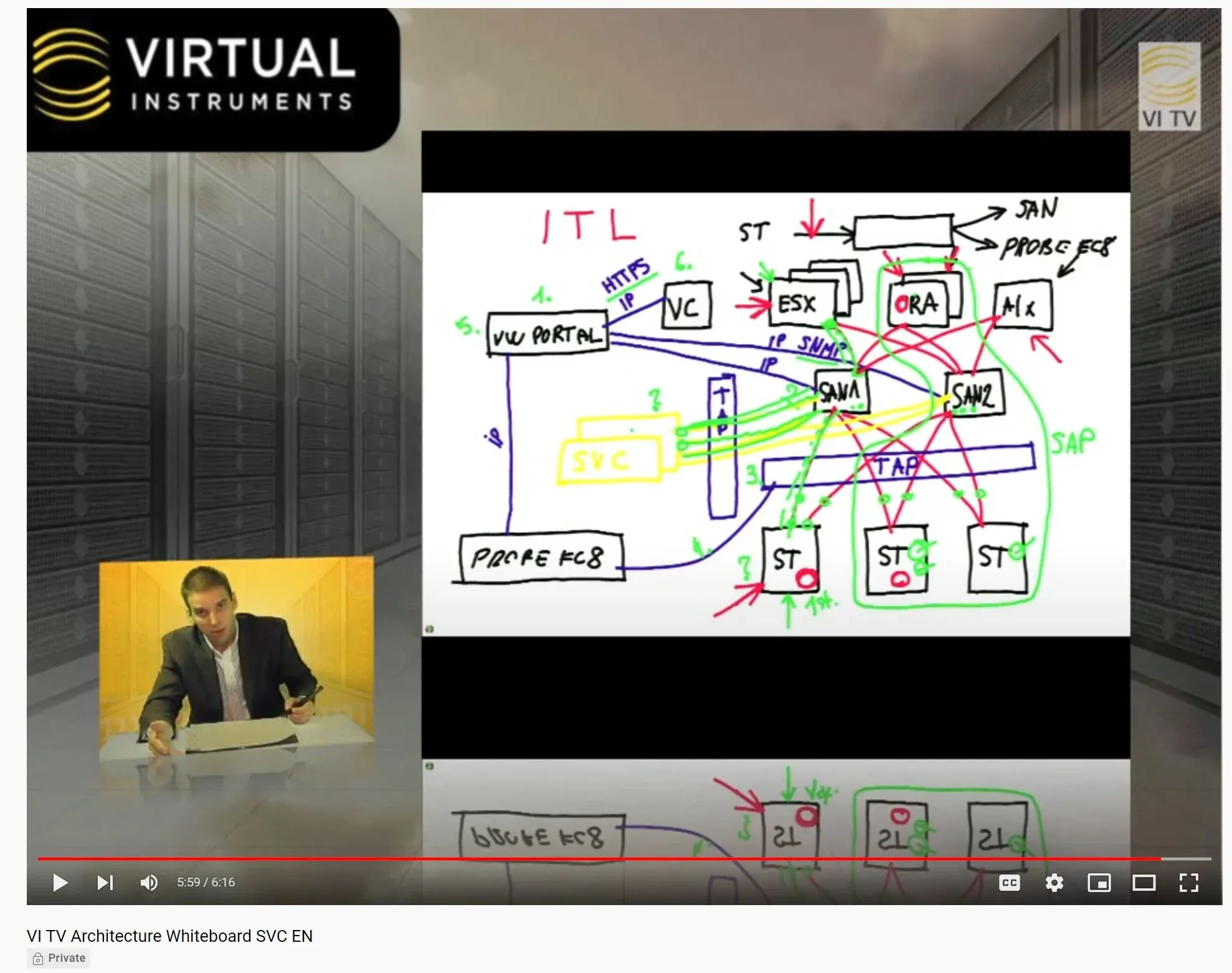
I am a data center freak. Large production, mission-critical systems, FC SAN. Working at Virtual Instruments I really enjoyed learning about SAN. Infrastructure Performance Management is mainly about the real-time performance of the storage area network.
When you design your multi-cloud LAB, your source system needs to match the production as much as possible at a low budget. Obviously, you do not run FC SAN at home, unless you want to better understand real-time performance and connect such a device I was promoting a decade before:
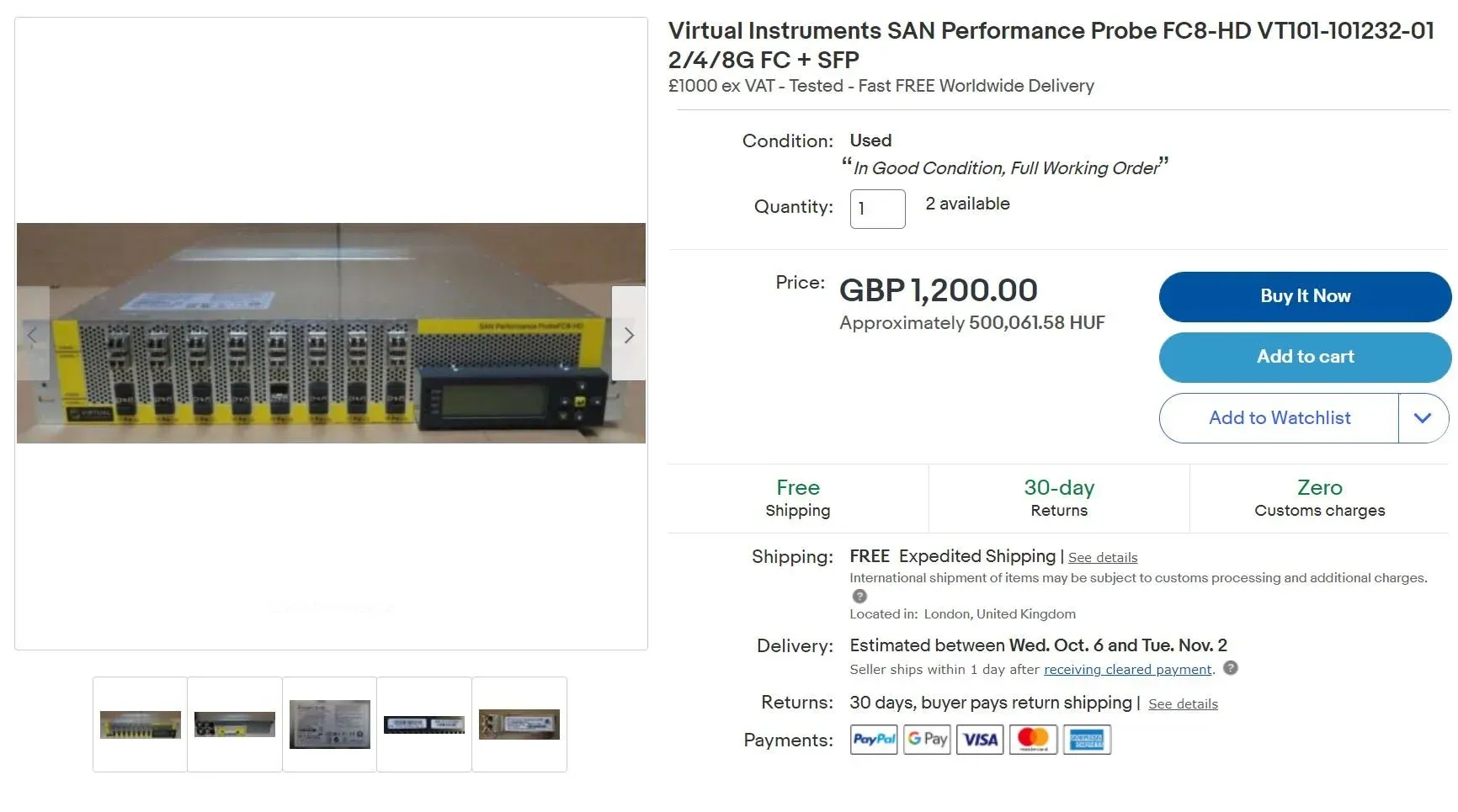
I used such for POCs in CEE. This can monitor 8 FC SAN ports up to 8Gbps, realtime.
You need TAP (traffic access point to split the light) from Corning to get this to work.
You also need their software to process data from the device and build nice dashboards.
Virtual Instruments is today called Virtana. They do great things, they help you to better estimate the workload before cloud migration really happens. I will take a closer look at Virtana Migrate as time permits because I worked there and I am curious how they improved while I was working at Microsoft with Azure for the past 7 years.